This is the first of what I hope will be a series of interviews on sacred pause—to share our personal experiences, what we’re learning, and how we can encourage one another to pause in the midst of our busy lives. Lois Siemens is a pastor, calligrapher, and photographer in rural Saskatchewan, and I really appreciate her willingness to do this first interview!
1. What does sacred pause mean to you?
In the movie, Girl with a Pearl Earring, Vermeer is almost done the painting. Something is missing. The maids are setting the table for dinner, and Vermeer has an idea. He asks his wife to put on her pearl earrings. Vermeer calls Greet, the maid, points to the earring and says. “See Greet, a point of light directing the eye.”
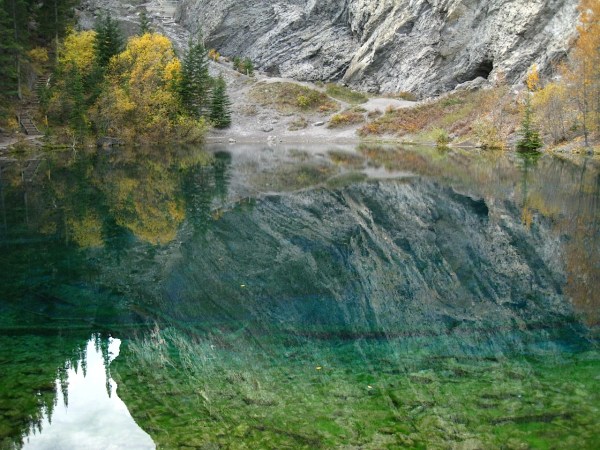
This is what a sacred pause does. It directs my eye, my focus. When I can focus on one thing, I can often see the whole. I don’t know how this works but I experience it all the time. When I walk into the woods I am overwhelmed with their enormity,
but when I focus on a single dried up leaf curled around into a cup into which snow has softly fallen, I am directed towards seeing the whole.
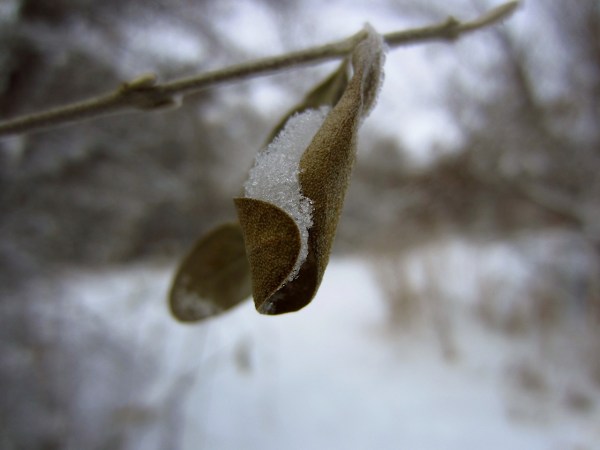
Focusing on one small thing relieves me of taking care of the whole. I am bombarded every day with truckloads of information and when all of it is important, it is overwhelming. I can’t take care of it all. But I can focus on one thing and look for its beauty and connection to my life. The word that comes to mind is: realignment.
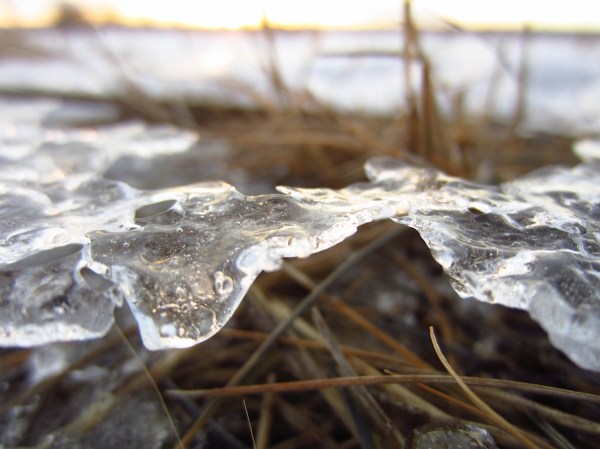
Maybe the way it works is that when I focus on one thing I begin to see the relationship to the whole and in so doing, can respond to the whole? Genesis 1 is not a picture of God taking the primordial soup and throwing it up in the air and creating everything in one fell swoop. No. One by one, methodically, with focus, each thing is brought to life—sun, seeds, cattle… Is it because size doesn’t matter, as Madeleine L’Engle pointed out so often in her stories? When I was sitting with a photo editor putting together a photo collage, the pictures she rejected were ones where she had too much too look at. When there were too many images in one photo she said she didn’t know where to direct her eye. This is why photography has become a sacred pause.
I don’t know how it works, but after ten or thirty minutes observing one leaf, one row of trees, the play of light on one body of water, I shed the unnecessary. When I return to the image and look deeper, it is as if I am entering the story behind the story. I return to my work, rested.
2. What are you still learning?
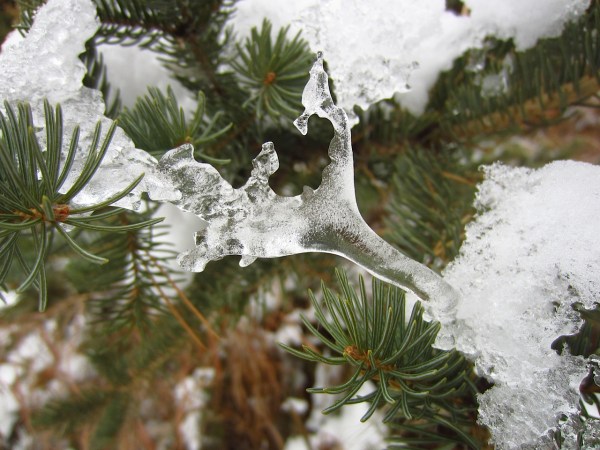
In my course on chaplaincy we learned that everyone is telling their story all the time. You have to learn to listen deeply. When I look at the photographs I take, I am always looking for the light which I think is a metaphor for looking for the story behind the story. So, I guess, it is a form of journaling. I am learning to trust my intuition, to look at an object from all sides. Did you know that the backs of flowers are sometimes more interesting than the front? When I approach a biblical text, I find myself trying to see it from different angles, in a different light. I think the biggest gift photography has given me is attention to detail.
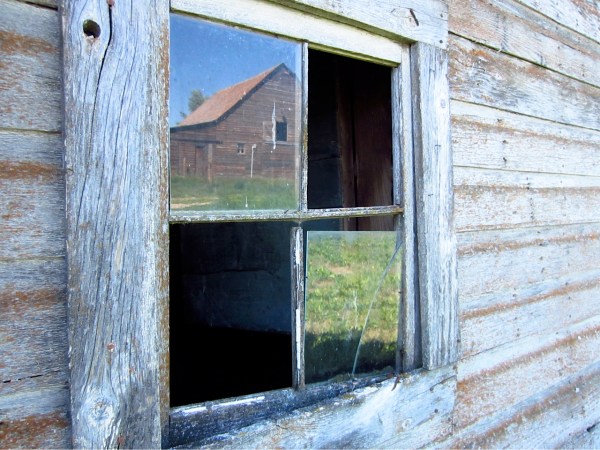
When looking closely I cannot hurry or the shot is blurred. It is the same when I sit down on my favorite chair and snuggle under my prayer shawl. The faster I pray, the more unfocussed I am.
3. What advice/word of encouragement do you have to share?
The most helpful question I learned at InterPlay: after an incident, a conversation . . . whatever, ask: What did you notice? In order to answer this question you have to stop and use your feeling/thinking/sensing parts of you to answer it.

Thank you, Lois, for sharing your thoughts and photos. May you enjoy sacred pauses throughout your day.
Writing/Reflection Prompt: Consider Lois’ question, and write a response: Did you know that the backs of flowers are sometimes more interesting than the front?
For free email updates and a copy of How to Pray When Prayer Seems Impossible, sign up here.


 April Yamasaki
Please leave a comment: